
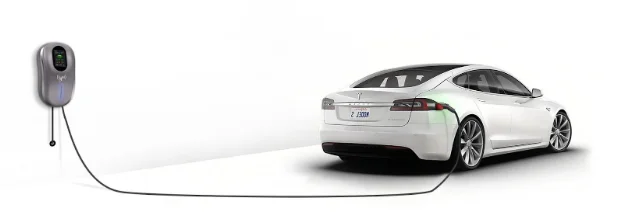
Charging Levels for EVs: A Complete Guide
Understanding the different levels of electric vehicle (EV) charging is crucial for any current or prospective owner. This infrastructure, categorized into three distinct levels, directly impacts convenience, cost, and how you integrate an EV into your life. This guide provides a complete overview of EV charging levels, helping you navigate the essentials of power, speed, and application to make informed decisions.
What Are EV Charging Levels? An Overview
EV charging levels are standardized classifications that define the power output, required electrical infrastructure, and consequent charging speed. They are primarily distinguished by voltage (Volts), current (Amps), and power (kilowatts, kW). The core difference lies in the type of current: Level 1 and Level 2 use Alternating Current (AC), which the car’s onboard charger must convert to Direct Current (DC) to store in the battery. DC Fast Charging bypasses this onboard converter, delivering DC power directly to the battery at a much higher rate. Choosing the right level is a balance between installation cost, required charging time, and driving habits.
Level 1 Charging: Basic Home Charging Explained
Power & Speed: Level 1 charging uses a standard 120-volt AC household outlet. It typically delivers 1.2 to 1.4 kW of power, adding about 3 to 5 miles of range per hour of charging.
Equipment & Installation: The primary advantage is its simplicity. It requires no specialized installation—most EVs come with a Level 1 portable cordset that plugs into any regular outlet. It is the most accessible form of charging.
Best Use Cases: This level is best suited for:
- Plug-in Hybrid Electric Vehicles (PHEVs) with smaller batteries.
- EV owners with very low daily driving distances (under 40 miles).
- As a convenient emergency backup charging option anywhere a standard outlet is available.
Limitations: For a modern battery-electric vehicle (BEV) with a large battery, a full charge from empty can take 40-60 hours. It is impractical as a primary charging solution for most full EV drivers with regular commuting needs.
Level 2 Charging: The Most Common Charging Solution
Power & Speed: Level 2 operates on 240-volt AC power (similar to a clothes dryer or oven), delivering between 6.6 kW and 19.2 kW. This adds a substantial 20 to 60 miles of range per hour, making it the workhorse for daily charging.
Equipment & Installation: This requires the purchase and professional installation of a dedicated Home Charging Station (EVSE – Electric Vehicle Supply Equipment). While the unit itself costs between $500-$800, installation can vary from a few hundred to over a thousand dollars depending on electrical panel capacity and wiring distance. Public stations at workplaces, shopping centers, and public parking are overwhelmingly Level 2.
Best Use Cases: This is the recommended solution for:
- Primary home charging for all battery-electric vehicle owners.
- Drivers with longer daily commutes or those unable to charge every single night.
- Fleets, workplaces, and destinations where vehicles are parked for several hours.
The Key Advantage: It conveniently enables a full overnight charge for virtually any EV, transforming the ownership experience by ensuring you start each day with a “full tank.”
DC Fast Charging (Level 3): High-Power Charging for Long Trips
Power & Speed: Often called DCFC or simply “fast charging,” this level uses 480-volt DC (or higher) and starts at power outputs of 50 kW, with common chargers now at 150 kW, 350 kW, and growing. It can add 60 to 300+ miles of range in just 20-30 minutes, depending on the vehicle’s maximum acceptance rate and the charger’s power.
Equipment & Installation: These are complex, high-cost stations ($50,000+) only found in public or commercial settings, typically along highway corridors, major routes, and some urban hubs. They require specialized grid connections and significant electrical infrastructure.
Best Use Cases:
- Long-distance travel and road trips.
- En-route charging for drivers who cannot charge at home.
- Commercial fleets (e.g., taxis, delivery vans) that require rapid turnaround.
Critical Considerations: Not all EVs are equipped for DCFC. Frequent use of the highest power levels can accelerate long-term battery degradation more than AC charging. Costs are significantly higher per kWh than home charging. Think of DCFC as the “gas station” equivalent—ideal for travel, not ideal for daily use.
Charging Speed Comparison Across Different EV Charging Levels
| Charging Level | Power Output (kW) | Approx. Range Added Per Hour | Time to Charge a 60-kWh Battery (20-80%) | Primary Location |
| Level 1 (AC) | 1.2 – 1.4 kW | 3 – 5 miles | ~35-40 hours | Home (Standard Outlet) |
| Level 2 (AC) | 6.6 – 19.2 kW | 20 – 60 miles | ~3.5 – 10 hours | Home, Work, Destination |
| DC Fast (DC) | 50 – 350+ kW | 60 – 300+ miles | ~10 – 45 minutes | Highway, Public Corridors |
Note: Actual speeds depend on the EV’s onboard charger capacity (for AC) and maximum DC charge acceptance rate, battery state of charge, and environmental conditions.
How to Choose the Right EV Charging Level for Your Needs
Making the right choice is a strategic decision. Follow this decision framework:
- Analyze Your Daily Driving: Calculate your average daily mileage. If it’s consistently under 40 miles and you can plug in for 12+ hours overnight, Level 1 might suffice. For nearly everyone else, Level 2 is the practical daily solution.
- Assess Your Home Electrical Capacity: Consult a licensed electrician to evaluate your home’s electrical panel. This will determine the feasibility and cost of installing a Level 2 station. For renters or condo dwellers, investigate shared garage or assigned parking solutions.
- Consider Your Vehicle Type: PHEVs with smaller batteries are often well-served by Level 1. For full Battery Electric Vehicles (BEVs), investing in Level 2 home charging is almost always the correct choice for long-term satisfaction and convenience.
- Plan for Occasional Needs: Even with home Level 2, access to DC Fast Charging within a reasonable distance is important for road trips and unexpected long-distance needs. Check charger networks (like Electrify America, EVgo, ChargePoint) along your common travel routes.
- Evaluate Total Cost of Ownership: Factor in the cost of the Level 2 hardware and installation against the tremendous time savings and convenience gained. Many utilities offer special EV electricity rates or rebates that can offset installation costs.
Conclusion
Navigating EV charging levels demystifies the ownership experience. Level 1 offers basic, universal access but is often too slow as a primary solution. Level 2 is the indispensable cornerstone for daily EV life, providing a perfect balance of speed, convenience, and cost for home and destination charging. DC Fast Charging is the specialized tool for long-distance travel, not daily use. For the vast majority of EV owners, the optimal strategy is clear: install Level 2 charging at home for daily needs, and utilize the expanding DC Fast Charging network for trips beyond your battery’s single-charge range. By matching the right charging level to your specific lifestyle, you unlock the full potential of electric vehicle ownership—convenience, lower operating costs, and a seamless driving experience.