
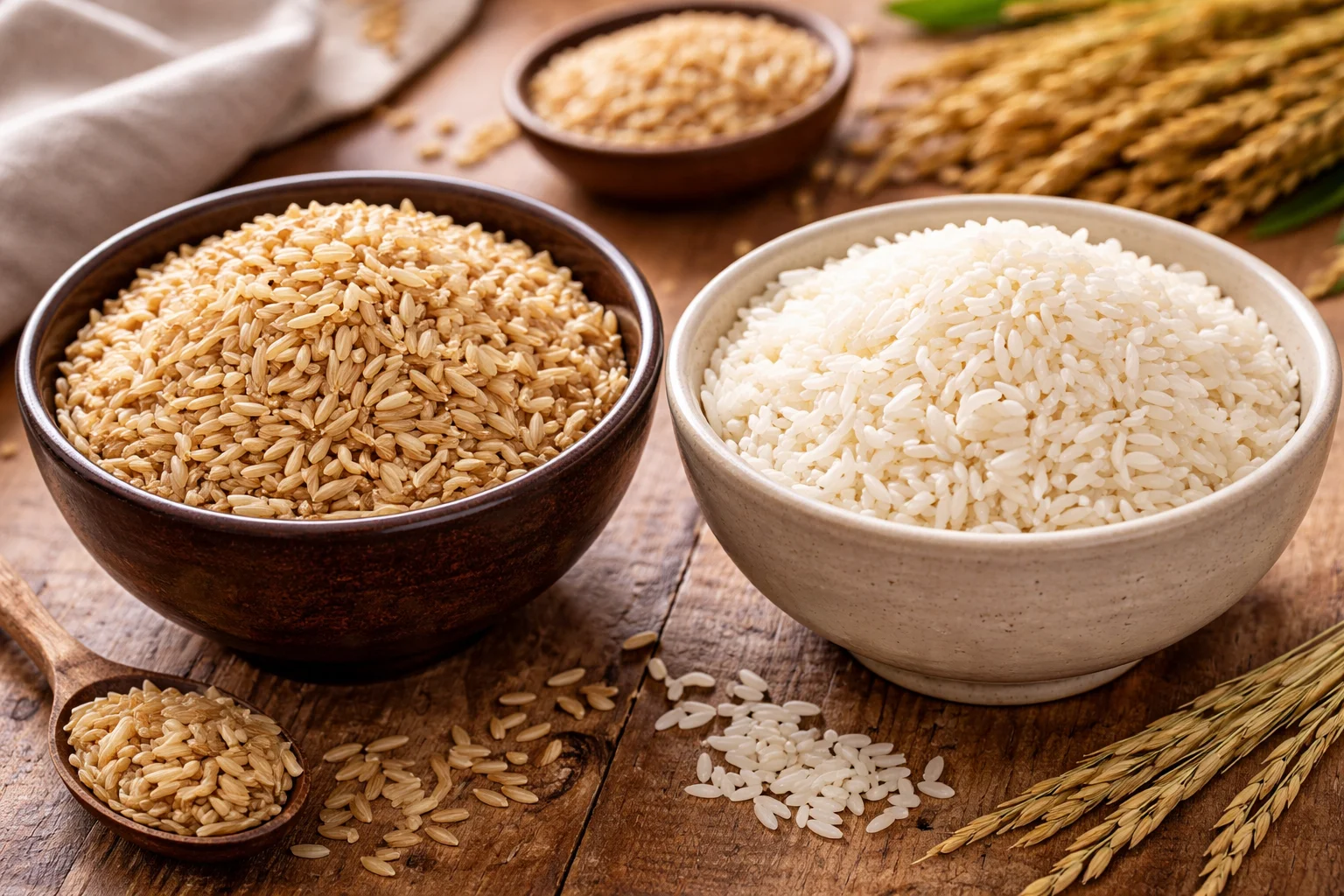
Is Brown Rice Healthier Than White Rice? A Comprehensive Nutritional Comparison
When it comes to making healthier dietary choices, many individuals find themselves asking, is brown rice healthier than white rice? This question often arises due to the increasing emphasis on whole grains and their health benefits. In this article, we delve into the nutritional profiles, health benefits, and potential risks of both brown and white rice to help you make informed decisions for your diet.
Nutritional Comparison of Brown Rice vs. White Rice
Comprehensive Nutritional Chart
| Nutrient | Brown Rice (per 100g) | White Rice (per 100g) |
|---|---|---|
| Calories | 111 kcal | 130 kcal |
| Protein | 2.6g | 2.4g |
| Fiber | 1.8g | 0.4g |
| Carbohydrates | 23g | 28g |
| Glycemic Index | 50 | 72 |
| Magnesium | 43mg | 12mg |
| Arsenic | Lower | Higher |
Key Differences Explained
Brown rice is a whole grain, retaining its bran and germ, which provides dietary fiber and essential nutrients like magnesium and antioxidants. In contrast, white rice is a refined grain, stripped of these nutritious layers, resulting in a softer texture but lower nutritional value.
Health Benefits of Brown Rice
Benefits of Brown Rice
- Rich in Fiber: The fiber content in brown rice supports digestive health and can aid in weight management by promoting a feeling of fullness.
- Supports Heart Health: Brown rice contains beneficial compounds that contribute to heart health by reducing cholesterol levels.
- Low Glycemic Index: With a lower glycemic index than white rice, brown rice is beneficial for diabetes management, helping to maintain stable blood sugar levels.
- Nutrient-Dense: It provides essential minerals such as magnesium, which is vital for bone health and metabolic functions.
Benefits of White Rice
- Easy to Digest: White rice is often recommended for individuals with digestive issues due to its low fiber content.
- Quick Energy Source: The high carbohydrate content makes it a quick and efficient energy source, ideal for athletes and those needing rapid fuel replenishment.
- Versatile in Cooking: Its mild flavor and texture make white rice a versatile ingredient in various culinary dishes worldwide.
Impact on Blood Sugar: Glycemic Index Analysis
The glycemic index (GI) measures how quickly foods raise blood sugar levels. Brown rice, with a GI of 50, releases glucose more slowly than white rice, which has a GI of 72. This slower release can help in managing diabetes and preventing spikes in blood sugar levels.
Risks and Considerations
Potential Health Risks
- Arsenic Levels: Brown rice tends to absorb more arsenic from the soil, a concern for long-term consumption. However, rinsing and cooking rice can reduce arsenic content significantly.
- Anti-nutrients: Brown rice contains phytic acid, an anti-nutrient that can impair the absorption of certain minerals. Soaking or sprouting the rice can reduce these effects.
Culinary Uses and Cooking Tips
Culinary Versatility
Both brown and white rice are staples in numerous cuisines and can be used in a variety of dishes. Brown rice is commonly used in salads, stir-fries, and as a side dish, while white rice is a mainstay in sushi, risottos, and pilafs.
Cooking Techniques
- Brown Rice: Requires a longer cooking time and more water than white rice. A typical ratio is 2.5 cups of water per cup of rice, cooked for about 45 minutes.
- White Rice: Cooks faster, with a common ratio of 2 cups of water per cup of rice, ready in about 15-20 minutes.
Environmental and Ethical Considerations
Sustainability Factors
Rice production has significant environmental impacts, such as water usage and methane emissions. Brown rice, being less processed, generally has a lower environmental footprint compared to white rice. Opting for organic and sustainably sourced rice can further reduce ecological impacts.
Conclusion
In answering the question, is brown rice healthier than white rice?, it largely depends on individual health goals and dietary needs. Brown rice emerges as the healthier option due to its higher nutritional content and benefits for heart and digestive health. However, white rice remains a valuable part of the diet, especially for those requiring quick energy or with specific digestive concerns. By understanding the differences, you can make informed decisions that align with your health objectives.
Frequently Asked Questions (FAQs)
- What are the specific health benefits of brown rice compared to white rice? Brown rice is rich in fiber, vitamins, and minerals, offering benefits for heart and digestive health, unlike white rice, which is mainly a source of carbohydrates.
- Is brown rice better than white rice for weight loss? Yes, due to its higher fiber content, brown rice can promote satiety and assist in weight management.
- Does white rice make you gain more weight? It can, if consumed in large quantities, as it is calorie-dense and low in fiber.
- Is brown rice good for diabetes? Brown rice has a lower glycemic index, making it more suitable for managing blood sugar levels in diabetics.
- Are there any negative effects of consuming brown rice? The presence of arsenic and anti-nutrients like phytic acid are considerations, but proper preparation can mitigate these risks.
Ultimately, the choice between brown and white rice should be tailored to personal health needs, dietary preferences, and lifestyle considerations, ensuring a balanced and nutritious diet.