AI Baby Generator: How People Are Using AI to Imagine the Face of Their Future Child
Few questions spark as much curiosity as this one: What will our future baby look like? For generations, couples have tried to guess whether a child would inherit a mother’s eyes, a father’s smile, or a unique combination of both.
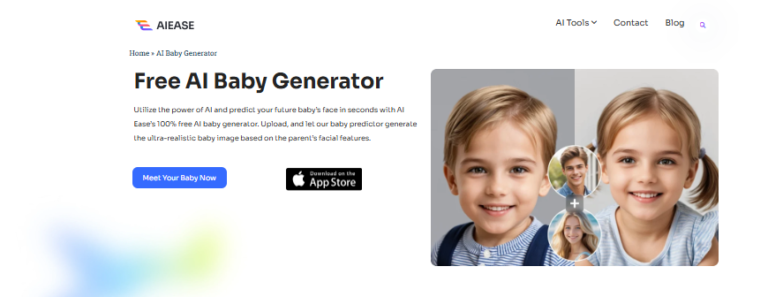
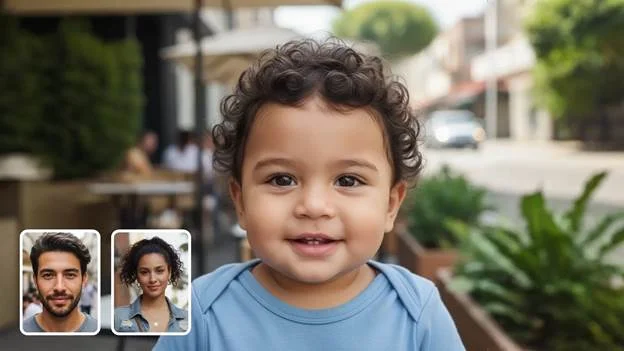
Today, artificial intelligence is offering a playful and surprisingly realistic way to explore that question. With the help of an AI Baby Generator, people can upload photos of themselves or their partners and instantly generate a lifelike image predicting what their future baby might look like.
What started as a fun experiment has quickly become a popular trend across social media. Couples share their AI-generated baby photos with friends, creators turn them into humorous videos, and digital artists use them for storytelling and character design. The technology blends entertainment with curiosity, giving users a glimpse into a possible future.
AI Baby Generator: A New Way to Explore Future Family Possibilities
An AI Baby Generator is an online tool that analyzes facial features from one or two portrait photos and combines them to create a predicted baby face. The system evaluates details such as facial structure, eye shape, skin tone, and other visual characteristics before blending them into a realistic child portrait.
The result isn’t meant to be a scientific prediction, but it often produces surprisingly convincing images that resemble a natural combination of both parents.
Many people try these tools for simple curiosity. A couple might upload their photos to see how their features could blend, while friends sometimes experiment with celebrity photos or fictional characters just for fun.
Tools like the AI Baby Generator allow users to generate these baby portraits in seconds, creating shareable results that often spark conversations and reactions online.
AI Baby Generator Trends on Social Media
The popularity of AI-generated baby predictions has grown significantly with the rise of short-form video platforms. Content creators often turn these predictions into entertaining posts, revealing their “future baby” in a dramatic or humorous way.
Couples Sharing Baby Predictions
One common format involves couples revealing the AI-generated baby image as part of a short video. The reactions—sometimes laughter, sometimes surprise—make the content highly relatable and shareable.
Some videos even compare multiple predictions, showing how a baby might look at different ages or with different gender options.
Celebrity and Fan Experiments
Another trend involves mixing photos of celebrities to see what their hypothetical children might look like. While purely for entertainment, these experiments frequently attract attention because they combine familiar faces with unexpected results.
Creative Storytelling
Beyond simple predictions, creators also incorporate AI baby faces into fictional stories or comedic sketches. A “future baby” might appear in a narrative about life years from now, or become the star of a humorous family-themed video.
Because the images are generated digitally, they can easily be edited, animated, or reused in different creative contexts.
How AI Baby Generators Create Realistic Results
The technology behind an AI baby generator relies on advanced image analysis and machine learning techniques.
Facial Feature Analysis
When users upload photos, the system scans facial landmarks—such as eye spacing, nose shape, jawline, and skin tone. These features are converted into data points that describe the structure of the face.
Feature Blending
Next, the AI blends these features using predictive models trained on large datasets of human faces. The system combines characteristics from both parents to generate a balanced representation of a possible child.
For example:
- A baby might inherit the eye color of one parent and the facial shape of the other.
- Hair color and skin tone are blended based on visual patterns detected in the source photos.
Gender Customization
Many AI baby generators allow users to choose whether they want to generate a baby boy or a baby girl. The system then adjusts facial traits slightly to match typical characteristics associated with each gender.
The final result is a detailed portrait that looks natural and expressive, often resembling a believable baby photograph.
From Baby Photos to Talking or Singing Videos
While many platforms stop at generating images, some tools allow users to go further by turning those baby portraits into animated videos.
For example, once a baby image is generated, users can create short clips where the baby appears to talk, sing, or react with facial expressions. This adds an entirely new layer of entertainment and creativity.
Using tools available through LipSync Video, creators can animate the generated baby face so it appears to speak or sing naturally. These videos often become popular social media posts because they combine humor, curiosity, and storytelling.
Some creators even design fictional “future baby diaries,” where the animated baby appears to comment on life or respond to its parents.
Real-Life Uses Beyond Entertainment
Although many people try AI baby generators for fun, the technology also has broader creative uses.
Family Conversations and Engagement
Couples sometimes use baby prediction tools as part of conversations about the future. Seeing a generated baby face can make discussions about family life feel more tangible and exciting.
Even when treated as entertainment, the images often become memorable keepsakes shared with friends and relatives.
Digital Storytelling and Media Projects
Writers, filmmakers, and digital creators occasionally use AI-generated baby faces to visualize characters in stories set in the future. Instead of hiring actors or designing characters manually, they can quickly generate a realistic child face that fits their narrative.
Social Media Content Creation
For influencers and content creators, AI baby generators provide a unique way to produce engaging posts. Because the concept is relatable to many people, these videos often attract strong engagement from viewers who want to see the results.
Best Practices for Generating Realistic Baby Images
Although the technology works automatically, a few simple tips can improve the quality of results.
Use Clear Portrait Photos
Front-facing photos with good lighting help the AI detect facial features accurately. Avoid heavily filtered images or extreme angles.
Choose Images With Neutral Expressions
Photos where the face is relaxed usually produce more balanced results than images with exaggerated expressions.
Experiment With Different Inputs
Trying different combinations of photos or adjusting gender options can produce a variety of interesting results. Many users enjoy comparing multiple versions of their predicted baby.
The Future of AI Baby Generators
AI-generated portraits are becoming more advanced each year. Future versions of AI baby generators may offer:
- More realistic skin textures and facial details
- Age progression showing how the baby might look as a child or teenager
- Enhanced animation features for interactive storytelling
As these technologies improve, the line between generated imagery and real photography will continue to blur.
Conclusion
The AI Baby Generator has transformed a simple question—what might our future baby look like?—into an interactive and creative experience. By combining artificial intelligence with facial analysis, these tools allow people to explore possibilities in a way that feels both personal and entertaining.
From social media trends to digital storytelling, AI-generated baby faces are capturing attention because they blend curiosity, humor, and imagination.
Whether used for fun experiments, family conversations, or creative projects, the technology offers a fascinating glimpse into how artificial intelligence can turn everyday curiosity into shareable visual experiences.