Best Safety Equipment: A Comprehensive Buying Guide
When was the last time you evaluated your safety gear? Whether you’re a business owner, safety officer, or DIY enthusiast, understanding the importance of having the best safety equipment cannot be overstated. Safety equipment not only protects lives but also ensures compliance with safety standards, which is crucial in avoiding legal issues and enhancing productivity. Let’s delve into the essential aspects of selecting the best safety equipment, from understanding different types to knowing what features to prioritize.
Understanding Different Types of Safety Equipment
Safety equipment comes in various forms, each designed to protect against specific hazards. The first step in selecting the best safety equipment is recognizing the types you need. Common categories include head protection, hand protection, eye protection, and respiratory protection. Each serves a unique purpose and is vital in different environments.
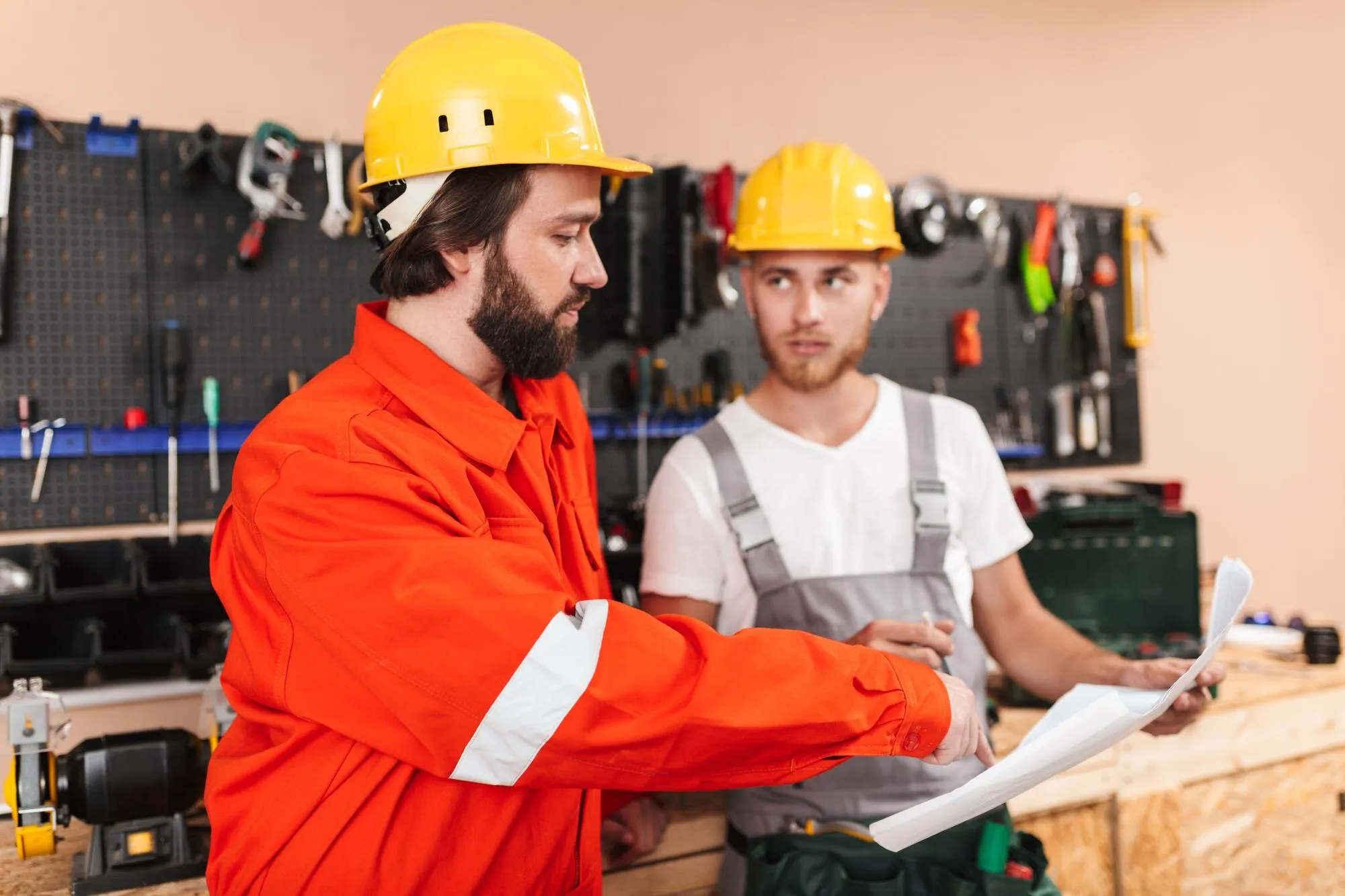
For instance, head protection is crucial in construction sites where falling objects pose a significant risk. Helmets or hard hats are designed to absorb impact and prevent head injuries. Hand protection involves gloves that protect against chemicals, cuts, and abrasions. Selecting the right glove material—such as nitrile for chemical resistance or leather for durability—is critical.
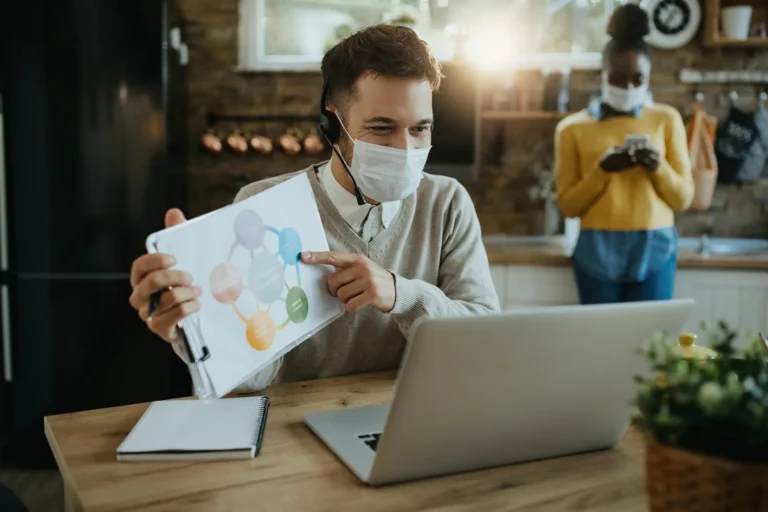
Eye protection is necessary in environments where flying debris, dust, or harmful light is present. Safety glasses, goggles, or face shields can prevent eye injuries and are often required in manufacturing or laboratory settings. Lastly, respiratory protection includes masks and respirators that filter out harmful particles, essential in industrial settings with poor air quality.
Key Features to Consider
Once you’ve identified the types of safety equipment required, the next step is evaluating key features. Material and durability should be at the forefront of your considerations. High-quality materials not only ensure longevity but also provide better protection. For instance, polycarbonate lenses in safety glasses offer better impact resistance than regular plastic.
Comfort and fit are equally important. Even the best safety equipment is useless if it is uncomfortable and goes unused. Adjustable straps, breathable materials, and ergonomic designs can significantly enhance comfort, encouraging consistent use. Additionally, consider compatibility with other equipment. For example, hard hats should fit comfortably with earmuffs or face shields if needed.
Benefits and Regulations
Why is investing in the best safety equipment so important? Beyond personal safety, it’s about compliance with safety standards. Organizations like OSHA and ANSI set regulations to ensure workplace safety. Non-compliance can lead to fines, legal issues, and, most importantly, endangerment of lives.
Investing in quality safety gear also yields long-term benefits. It reduces workplace accidents, which in turn lowers medical costs and compensation claims. Moreover, a safe work environment boosts employee morale and productivity. Employees feel valued and are more likely to perform efficiently when they know their safety is prioritized.
Maintenance and Care
Purchasing the best safety equipment is just the beginning. Regular maintenance ensures it remains effective. Cleaning and proper storage are vital. For instance, safety glasses should be stored in protective cases to prevent scratches, while helmets should be checked for cracks and replaced if damaged.
Consider the lifespan of your equipment. Safety gear, like masks and filters, may require regular replacement to maintain efficacy. Keep an inventory and schedule regular checks to ensure all equipment is in optimal condition. This proactive approach not only extends the life of the equipment but also ensures continuous protection.
Conclusion: Making Informed Decisions
Choosing the best safety equipment involves understanding your specific needs, evaluating key features, and committing to regular maintenance. This comprehensive approach ensures that you are not just compliant with safety standards but also genuinely protecting the lives of those in your environment. As you decide on your safety gear, remember that the investment in quality and suitability can make all the difference. Are you ready to enhance your safety protocols and invest in the best?