
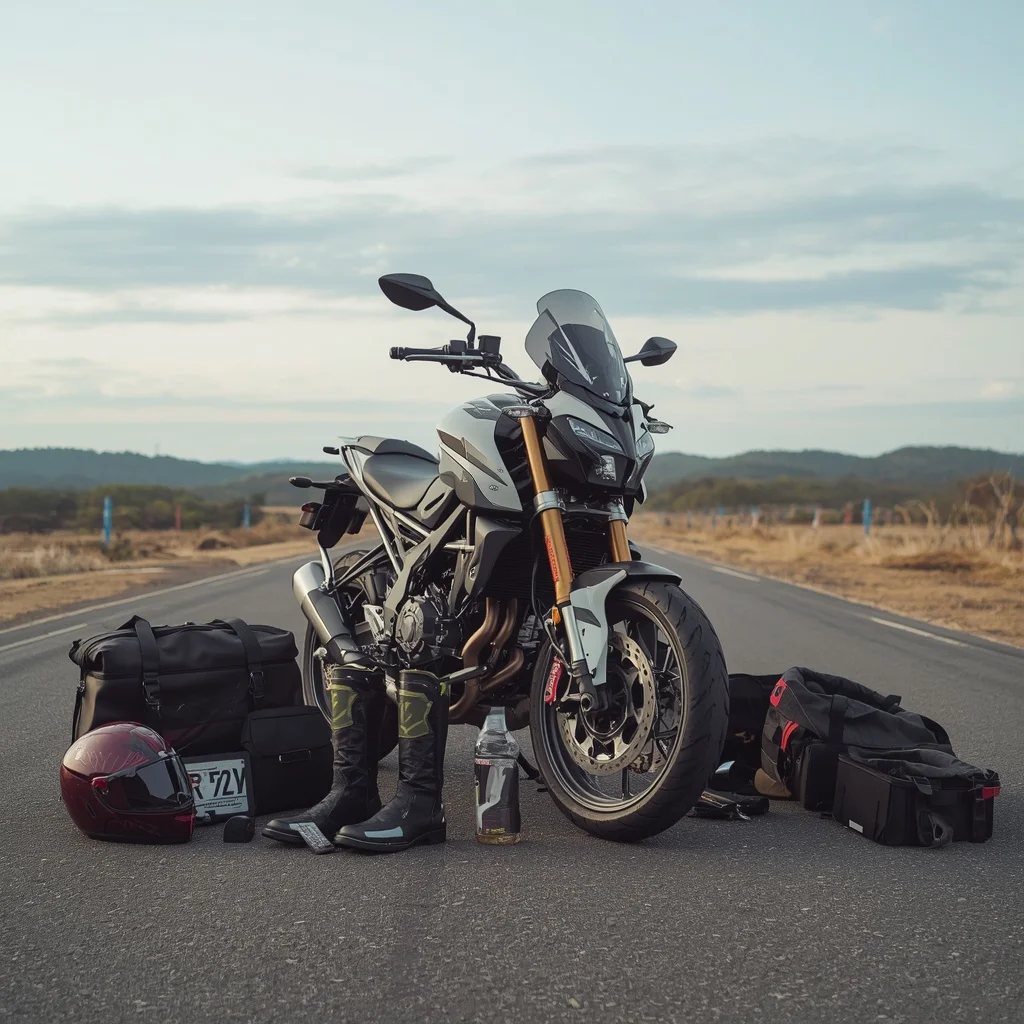
Motorbikes: A Complete Guide to Motorcycle Accessories and Gear
Motorbikes offer a unique combination of freedom, practicality, and excitement. Whether you ride every day, enjoy weekend trips, or are simply interested in motorcycles, having the right accessories and gear can make a noticeable difference. The right equipment can improve comfort, safety, convenience, and the overall riding experience.
Modern riders have access to a wide range of products, from protective helmets and riding jackets to motorcycle luggage, maintenance supplies, gloves, and electronic accessories. Understanding what each product does can help riders make more informed choices instead of buying equipment based only on appearance or price.
For anyone researching about site formotorbikes, motorcycle accessories, and useful riding products, it is worth looking at how different types of equipment fit into everyday riding.
Why Motorcycle Gear Matters
Motorcycle gear is more than a way to complete a rider’s appearance. Proper equipment can provide protection from weather, road debris, and injuries during unexpected situations. It can also make longer journeys more comfortable.
A quality helmet is one of the most important pieces of motorcycle equipment. Riders should choose a helmet that fits correctly and meets the applicable safety requirements in their location. A helmet that is too loose can move during a ride, while one that is excessively tight can become uncomfortable over time.
Other protective equipment also deserves attention. Motorcycle jackets, trousers, gloves, and riding boots are designed to provide additional protection while giving riders greater comfort and control.
Choosing the Right Motorcycle Helmet
Helmets come in several designs, including full-face, modular, open-face, and other specialized styles. The best choice depends on the rider’s needs, riding environment, and personal preferences.
Full-face helmets provide coverage around the head, sides, and chin and are commonly chosen by riders who want comprehensive coverage. Modular helmets offer flexibility because their design allows the front section to move in certain configurations.
Fit should always be a major consideration. Riders should measure their head according to the manufacturer’s instructions and check that the helmet sits securely without creating painful pressure points.
Helmet condition also matters. A helmet that has suffered a significant impact may need replacement even if there is no obvious exterior damage.
Motorcycle Jackets and Protective Clothing
A motorcycle jacket can provide protection while also helping riders deal with changing weather. Leather and textile jackets are two common choices, and each has different characteristics.
Leather has long been associated with motorcycle riding because of its durability and traditional appearance. Textile jackets can offer versatility and may include features designed for ventilation, rain protection, and different riding conditions.
Protective clothing can also include armor in areas such as the shoulders, elbows, back, hips, and knees. Riders should look for equipment that fits properly and allows natural movement while maintaining the intended protective position.
Gloves and Motorcycle Boots
Hands are heavily involved in controlling a motorcycle, making gloves an important part of riding gear. Motorcycle gloves can protect the hands from wind, rain, road debris, and abrasion while helping riders maintain a secure grip.
Different gloves are designed for different environments. Lightweight gloves may be comfortable during warm weather, while insulated or waterproof options can be useful during colder or wetter conditions.
Motorcycle boots provide another layer of protection. Riding-specific boots can offer support around the ankles and feet while providing better protection than ordinary casual footwear.
The most suitable choice depends on the type of riding. A commuter may prioritize comfort and convenience, while someone taking long-distance trips may want additional weather protection and durability.
Motorcycle Maintenance Accessories
Protective equipment is only one part of responsible motorcycle ownership. Regular maintenance can help keep a bike operating properly and identify potential problems before they become more serious.
Engine oil is particularly important because it lubricates internal engine components and helps manage friction and heat. Riders should always follow the motorcycle manufacturer’s specifications when choosing oil.
For those researching 10W40 Bike Oil, understanding viscosity ratings can make oil selection easier. The “10W-40” designation describes how the oil behaves at different temperatures, but suitability still depends on the motorcycle’s engine requirements and the manufacturer’s recommendations.
Other useful maintenance accessories can include chain-cleaning products, lubricants, tire-pressure gauges, cleaning supplies, battery chargers, and basic tool kits.
Motorcycle Luggage and Storage
Storage becomes particularly important when motorcycles are used for commuting or longer journeys. Riders may need space for clothing, tools, documents, personal items, or other travel essentials.
Tank bags, tail bags, saddlebags, and top boxes offer different storage solutions. The choice depends on the motorcycle, available mounting points, capacity requirements, and riding style.
Weight distribution should also be considered. Overloading one side of a motorcycle or placing too much weight in an unsuitable position can affect handling. Riders should follow the motorcycle and luggage manufacturer’s weight recommendations.
Useful Motorcycle Electronics
Technology has become increasingly common in modern motorcycling. Phone mounts, Bluetooth communication systems, navigation devices, action cameras, and tire-pressure monitoring systems can provide additional convenience.
A reliable phone mount can help riders access navigation without repeatedly reaching for a device. Bluetooth communication systems can allow communication with passengers or other riders and can also connect with compatible navigation systems.
However, technology should never become a distraction. Riders need to maintain their attention on traffic and road conditions rather than constantly interacting with electronic devices.
Choosing Motorcycle Products Carefully
With so many motorcycle accessories available, it can be difficult to determine which products are genuinely useful. Product descriptions, specifications, compatibility information, warranty details, and customer feedback can all help during the selection process.
Riders should be particularly careful when purchasing safety-related equipment. A low price is not necessarily a good deal if the product does not provide the expected level of protection or does not fit correctly.
The same principle applies to online motorcycle stores and unfamiliar websites. Before making a purchase, checking company information, product details, payment options, return policies, and independent experiences can provide useful context. Riders researching whether Maxxfour.com is trustworthy can use a similar approach when evaluating an unfamiliar online shopping destination.
Matching Gear to Your Riding Style
Not every rider needs the same collection of accessories. A person commuting through a city may prioritize a comfortable helmet, lightweight jacket, gloves, rain protection, and convenient storage.
Someone who frequently takes long-distance trips may have different requirements. Touring riders may benefit from larger luggage systems, weather-resistant clothing, communication equipment, navigation tools, and additional maintenance supplies.
Off-road riders also require specialized equipment designed for different terrain and riding conditions. Understanding how and where you ride is therefore one of the easiest ways to avoid unnecessary purchases.
The Importance of Regular Gear Checks
Motorcycle gear should not simply be purchased and forgotten. Riders should periodically inspect helmets, jackets, gloves, boots, luggage, and other equipment for signs of damage or excessive wear.
Fasteners, straps, zippers, protective inserts, and mounting systems should remain secure. Maintenance products should also be stored properly and replaced when they are no longer suitable for use.
Regular checks are particularly important before long trips. Spending a few minutes inspecting equipment can help prevent avoidable problems during a journey.
Final Thoughts
Motorcycle accessories and riding gear can make motorcycling safer, more comfortable, and more practical when selected carefully. From helmets and protective clothing to maintenance products, luggage, and technology, each item has a specific purpose.
The key is not to buy the largest collection of accessories but to choose products that match your motorcycle, riding conditions, experience, and personal needs. Riders who take time to understand specifications, compatibility, fit, and quality can make better purchasing decisions.
Whether you are researching about site formotorbikes, preparing for your first motorcycle, or looking for ways to improve an existing riding setup, a thoughtful approach to gear can make every journey more enjoyable. Good equipment should support the rider without becoming a distraction, helping keep the focus where it belongs: on the road and the experience of riding.