
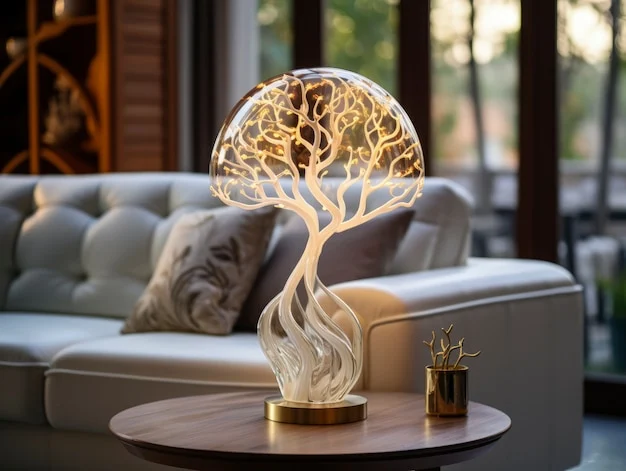
Exploring the Impact of Interior Design on Mental Health: Insights from MintPalDecor
In today’s fast-paced world, the spaces we inhabit play a crucial role in shaping our mental well-being. Interior design is no longer just about aesthetics; it’s about creating environments that foster emotional health and tranquility. At MintPalDecor, we understand the profound connection between your surroundings and your state of mind. This article delves into how thoughtful interior design can significantly influence mental health, offering fresh perspectives and actionable insights you won’t find elsewhere.
Navigating the Psychology of Interior Design
The psychological impact of interior design is a burgeoning field, with research continually uncovering how certain design elements can alter mood and behavior. From the colors on your walls to the arrangement of furniture, every choice can contribute to a harmonious or stressful environment. Let’s explore some key elements:
- Color Psychology: Colors wield immense power over our emotions. Soft blues and greens can evoke calmness, while vibrant reds and oranges might stimulate energy. Choosing the right palette is essential for creating a balanced mood.
- Lighting: Natural light has been linked to improved mood and productivity. Incorporating large windows or skylights can enhance your space’s ambiance, while strategic artificial lighting can mimic the sun’s beneficial effects.
- Spatial Arrangement: An open layout can promote feelings of freedom and reduce stress, whereas cluttered spaces may lead to anxiety. Minimalist designs that prioritize functionality can help maintain mental clarity.
See also Comprehensive Guide to TN Health 2020-21 Notifications
Crafting a Therapeutic Environment
Designing a space that supports mental wellness involves more than just aesthetic appeal. It’s about creating a sanctuary that nurtures the soul. Here are some ideas to consider:
- Biophilic Design: Integrating natural elements like plants and water features can reduce stress and enhance well-being. Nature-inspired designs have been shown to lower heart rates and increase happiness.
- Personalization: Surrounding yourself with items that reflect your personality and memories can provide comfort and a sense of belonging.
- Mindful Choices: Incorporate textures and scents that soothe the senses. Soft fabrics and calming aromas can create a tranquil atmosphere.
Real-Life Transformations: MintPalDecor Case Studies
At MintPalDecor, we’ve had the privilege of witnessing how strategic interior design can transform lives. One notable example includes a client’s urban apartment makeover, where biophilic elements and personalized decor significantly improved their mood and productivity. These transformations aren’t just about changing appearances; they’re about enhancing life quality.
Expert Insights and Forward-Thinking Strategies
Our team collaborates with leading psychologists and design experts to ensure our approaches are grounded in science and empathy. These collaborations allow us to offer wellness-focused home decor solutions that are not only trendy but also impactful. We emphasize the importance of integrating sustainable and mindful practices in design to foster long-term mental health benefits.
Conclusion: Taking the First Step Towards a Healthier Home
Your home is more than just a shelter; it’s a reflection of who you are and how you feel. By paying attention to design elements that affect mental health, you can create a space that not only looks beautiful but also feels right. At MintPalDecor, we’re committed to helping you unlock the potential of your living environment for better mental well-being. Ready to transform your space? Explore our offerings and start your journey towards a healthier, happier home.
Frequently Asked Questions
- How does interior design improve mental health? Thoughtful design can enhance mood, reduce stress, and create environments that support overall well-being.
- What colors are most calming for a living space? Soft blues and greens are typically the most calming, while neutral tones can provide a balanced backdrop.
- How important is lighting in interior design? Extremely important, as it affects mood, energy levels, and even sleep patterns. Natural light is especially beneficial.
- Can interior design reduce anxiety? Yes, through strategic use of color, space, and natural elements, design can significantly lower anxiety levels.
- What is biophilic design? It’s a design philosophy that incorporates natural elements into indoor environments to promote well-being.